
Memorial Day Film to Watch: JAWS
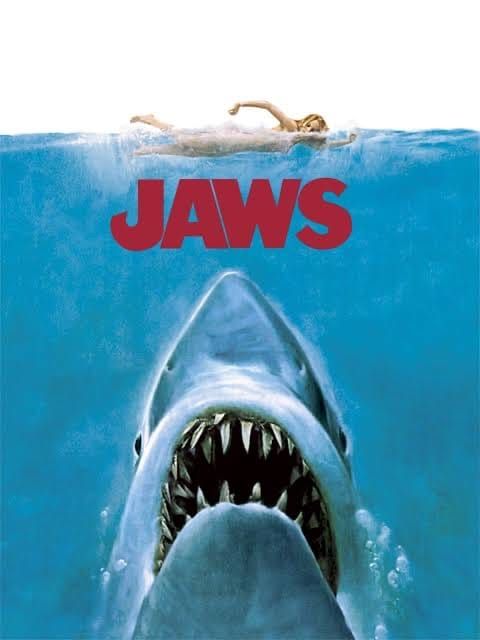
Despite my history as an annual taps soloist, avid WWII model builder, and cinema enthusiast (all hobbies that keep me encouragingly unemployed), I’m not as patriotic as one might think. No, this doesn’t mean I dislike the United States or take cheap shots at military policy or soldiers. I like to keep an even keel. Can we justify sacrifice and not be political about it?
That’s why this Memorial Day, I propose that everyone turn off whatever news source of political personal interest you’ve chosen and watch JAWS.
“Kurt, you crazy [expletive] fanboy!” you’ll say. “What the shark are you on about? That’s got nothing to do with Memorial Day.”
There will be spoilers—be warned—but the film is over 50 years old, and I’m not even going to tell you what happens to the shark. On the surface, it’s what the “American Dream” might have looked like at one point. A simple life, where big city problems wash away into a quiet coastal vacation town, where the hardest decision for you and your family is what bathing suit to wear on the 4th of July (that most patriotic day other than Memorial Day—born from war, sustained by commerce, built on the feeling of safety). Families thrive with no visible economic or political tension. “Politics” only show up when shark attacks threaten the sleepy town’s summer revenue.
But that’s not really about Memorial Day. War has a price. Memorial Day is always about the justification of lives willingly given for the promise of a better future for all. We play taps for the fallen because they deserve it. We roast expensive meats with friends and family because we’re living inside the surplus of that promise. We wave flags to remember who we are as a nation, and to make damn sure we don’t forget what we’re asking people to die for—for one day, we hold that trade-off in a single frame.
The entire film is great, but if you don’t want to sit through two hours of people being folded in half by, um… jaws, just watch one scene.
And nothing hit me harder with a Memorial Day sentiment than Robert Shaw’s performance.
When the main characters are finally tasked with finding and killing the thing threatening their quiet lives, they find camaraderie in the process. It becomes a kind of band of brothers story. Different men, different perspectives, vastly different lives—same mission. You throw the baggage overboard and focus on the hunt. They stay up late, drink too much (as sailors of old), and start comparing scars.
It’s a cliché, sure—but it works, because it sets up what comes next, which might be the greatest Oscar snub in film history.
Quint was on the USS Indianapolis. The ship that delivered the components for the bomb that “won the war.”
And then it sank.
Not in the triumphant mythology we often attach to war after history’s waves gently erode the rocky cliffs into sandy platitudes. It sank alone in dark water after being torpedoed, leaving hundreds of sailors stranded in the Pacific. The line lands on the ocean floor: “Eleven hundred men went into the water, three hundred and sixteen men come out, and the sharks took the rest, June the 29th, 1945… anyway, we delivered the bomb.”
Quint doesn’t tell it like a patriot beneath fireworks. He tells it like a man trying to keep a memory from swallowing him whole.
The shark in JAWS works because it’s more than an animal. It’s a force. A blind, instinctive thing that destroys peace with a daunting John Williams soundtrack. In the film, that threat is easy to point at because it has teeth and a fin above the surface. Real life is rarely that simple. War has its own sharks: fear, vengeance, nationalism, survival, ideology. Once those things enter the water, ordinary people are usually the first to bleed, and the frenzy of politics turns everything red.
The Indianapolis delivered the bomb. The bomb helped end the war. Then those sailors were left floating in the Pacific, praying not to be pulled under before rescue arrived. In his case, he was both desperate for rescue and cursing the life preserver that kept him alive long enough to endure the horror of not being rescued. History tends to compress moments like that into clean narratives about victory and defeat, but the people who lived through them rarely experienced it that way. They experienced terror. Duty. Confusion. Survival.
And meanwhile, here we are decades later, arguing politics over barbecue grills and holiday sales while enjoying the exact ordinary freedoms those young men thought they might never see again (and many didn’t).
For a few minutes, JAWS stops being a movie about a shark and becomes something much more honest about war and attitude. No political argument. Just a man carrying history around in his nervous system while everyone else quietly listens.
Honestly, that kind of respectful silence feels almost endangered now.
So yes, this Memorial Day, grill the burgers, drink the beer, fly the flags, and enjoy the peace those generations fought for. But maybe also spend a few minutes with Quint’s story, because beneath all the rituals and political rhetoric is the thing we’re actually supposed to remember.
